

-
Cart
( 0 )
My Basket
0 ITEMS IN YOUR BASKET
Best Hardware for Coastal Homes
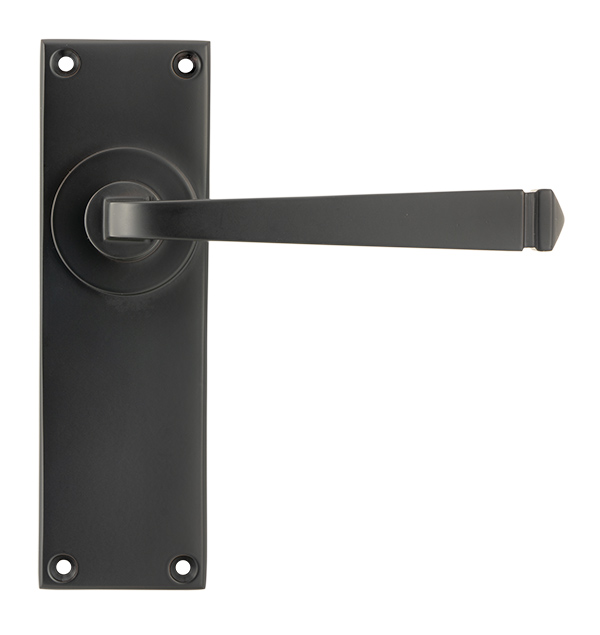
Aged Bronze Avon Lever Latch Set, from our current range.
Why coastal homes need different hardware
Salt-laden air is far more corrosive to metal fittings than an inland environment, and hardware that would last decades elsewhere can start to pit, discolour or seize within a few years near the coast. Choosing the right materials and finishes, and keeping up basic maintenance, makes a significant difference.
Best finishes for salt air exposure
- Bronze – naturally one of the most corrosion-resistant materials used in ironmongery, bronze develops a protective patina over time and is a strong choice for coastal exteriors
- Brass – a solid brass fitting, aged, antique or polished, resists salt air corrosion considerably better than plated or mild steel items, though it will still need occasional cleaning
- Black – a good quality powder coated black finish provides a protective barrier over the base metal, but check the coating is rated for external or coastal use
Avoid plain or lightly plated steel and cheaper finishes wherever possible on coastal exteriors, as these are the fittings most likely to show early corrosion.
Don't overlook the fixings
Screws and fixings are often the first thing to corrode on coastal properties, even when the visible hardware itself is holding up well. Using stainless steel fixings throughout external ironmongery is one of the simplest and most effective ways to extend the life of a coastal installation.
External doors and multi-point locks
Front and back doors on coastal properties are almost always fitted with a multi-point locking system, and it is worth checking the specific lock mechanism is suitable for external or coastal use before ordering. See our Multi-Point Locks guide.
Maintenance tips
- Rinse exterior hardware with fresh water periodically to remove salt residue, particularly after storms
- Wipe hardware dry after cleaning rather than allowing it to air dry, to reduce mineral deposits
- Apply a light coat of appropriate metal wax or protective oil to brass and bronze fittings a few times a year
- Check hinges and moving parts periodically, as salt air can accelerate wear on mechanisms as well as finishes
Related guides
See our full Hardware Finishes Guide, or browse our Door Furniture range.
Frequently asked questions
What is the best door handle finish for a coastal home?
Bronze and solid brass are the most corrosion-resistant finishes we stock, holding up considerably better than plated or mild steel items in a salt air environment.
Do I need special screws for coastal properties?
Yes, using stainless steel fixings throughout external ironmongery significantly extends the life of an installation, as fixings are often the first component to corrode near the coast.
How often should I clean coastal door hardware?
Rinsing exterior hardware with fresh water periodically, particularly after storms, and applying a protective wax to brass and bronze fittings a few times a year, will noticeably extend its life.
Back to Buying Guides, or explore the full Knowledge Centre.


